The Zonda Legacy and the HP Barchetta
The Zonda is where Pagani's story starts, and it is still the line that anchors the brand's standing with collectors.
The C12S 7.0L, and the models around it
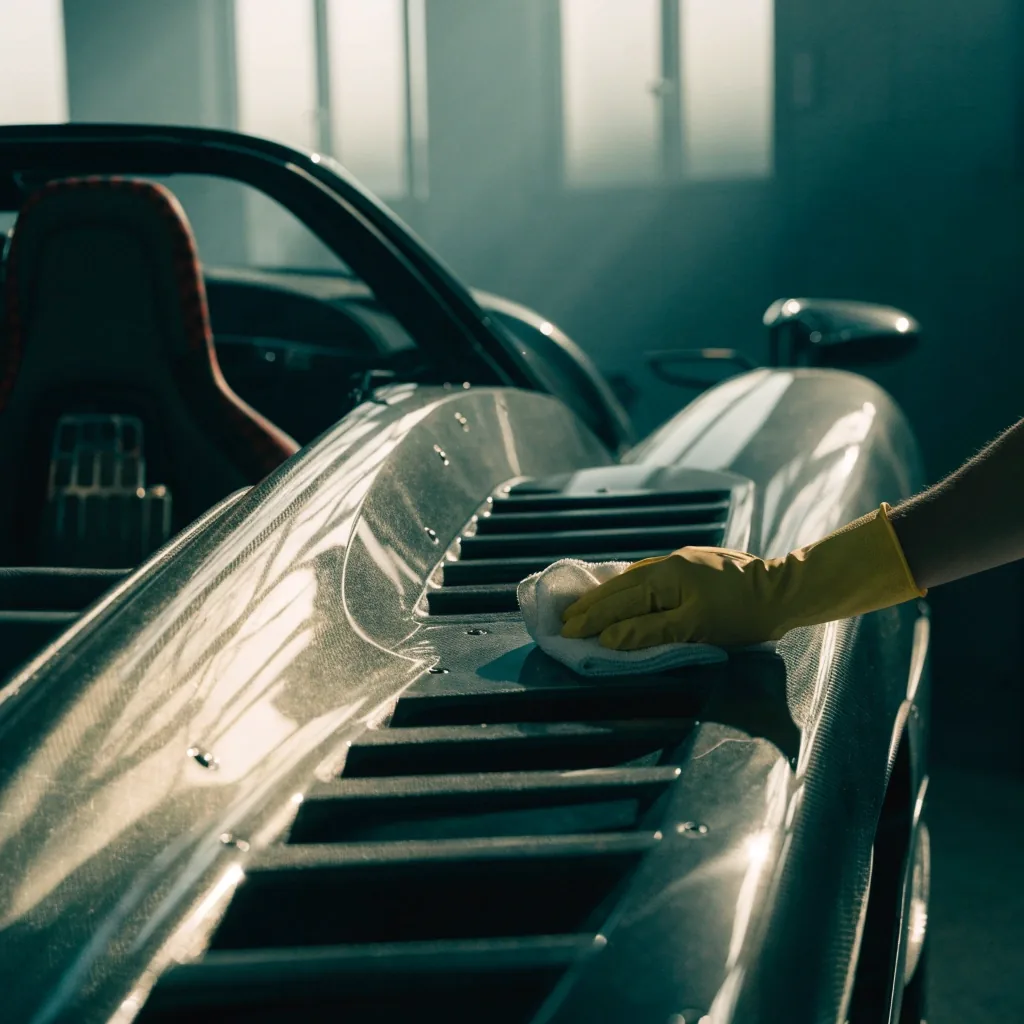
The Zonda line includes the original models and the specials that followed them. The C12S 7.0L belongs to that original line, and its name carries the engine specification with it: the 7.0-litre V12 that places the car clearly in the early era, before the Huayra and Utopia arrived to reset the baseline.
Pagani has announced that the Zonda C12S 7.0L will make its official debut at the 2026 Concorso d'Eleganza Villa d'Este. For a model from the earliest chapter of the marque, a formal appearance decades later is itself part of the story — the earliest cars returning to the concours lawn rather than settling quietly into storage.
Why that matters for a reader: the early Zonda models established the design language and the construction philosophy that Pagani still uses. Reading them first makes the later specials far easier to place, because you can see exactly what was carried forward and what each commission changed.
The HP Barchetta and the open body
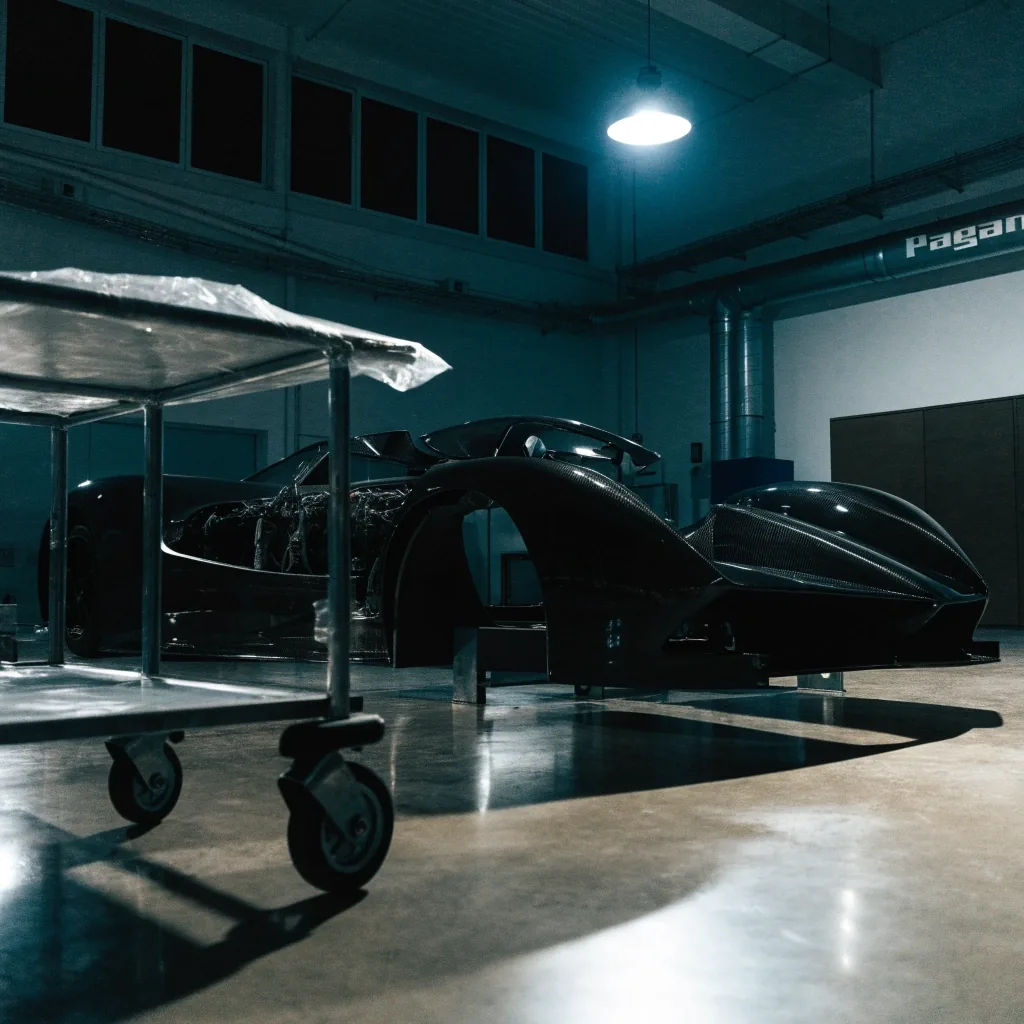
The Zonda HP Barchetta is one of the most recognised late Zonda specials. It is built around a barchetta-style body concept — no fixed roof, and a body developed around open-air driving rather than around a cabin. That choice changes more than the roof. It moves the whole silhouette: the shoulder line drops, the roll structure becomes part of the read, and the car registers at a distance before any badge or detail does.
It sits in Pagani's extremely limited collector segment, and it has become a flagship example of how the atelier works: a specific design direction, developed with the customer, then built in very small numbers. If you want the wider picture of how the marque names and orders its cars, the model archive lays the line out end to end.
Why open bodywork creates the effect
Open-body cars stand out in any lineup, but the effect is stronger when production numbers are low and the design departs from a coupe baseline. The HP Barchetta's body concept does both. It is not a roof-delete version of an existing shape — it is a distinct design statement, which is part of why it holds a different position in collector discussion than a standard variant would.
Three things separate an open special from a standard variant: the body brief was written for it, the build run is tiny, and the design is not shared with anything else in the range.
Reading a Zonda special: check the body format first, then ask which commission it came from. The trim badge matters far less than the brief.
What the Zonda handed down
The Zonda came before the Huayra and the Utopia, but its influence shows up in both. Pagani's habit of building special series with their own design briefs — the Codalunga's longtail, the HP Barchetta's open body — traces back to the Zonda era.
The coachbuilt model, in practice
Every Zonda special reflects a specific commission or design direction, which is why the lineup reads as a series of individual projects rather than one model offered in trim levels. Two cars with the same underlying architecture can look unrelated from twenty feet, because the body they were briefed against is different.
That is the useful way to read the range. When a Zonda appears at an event, the question is not which year it is but which brief it came from — and the answer usually lives with the commission rather than with a public model list.
Zonda specials keep appearing at major events
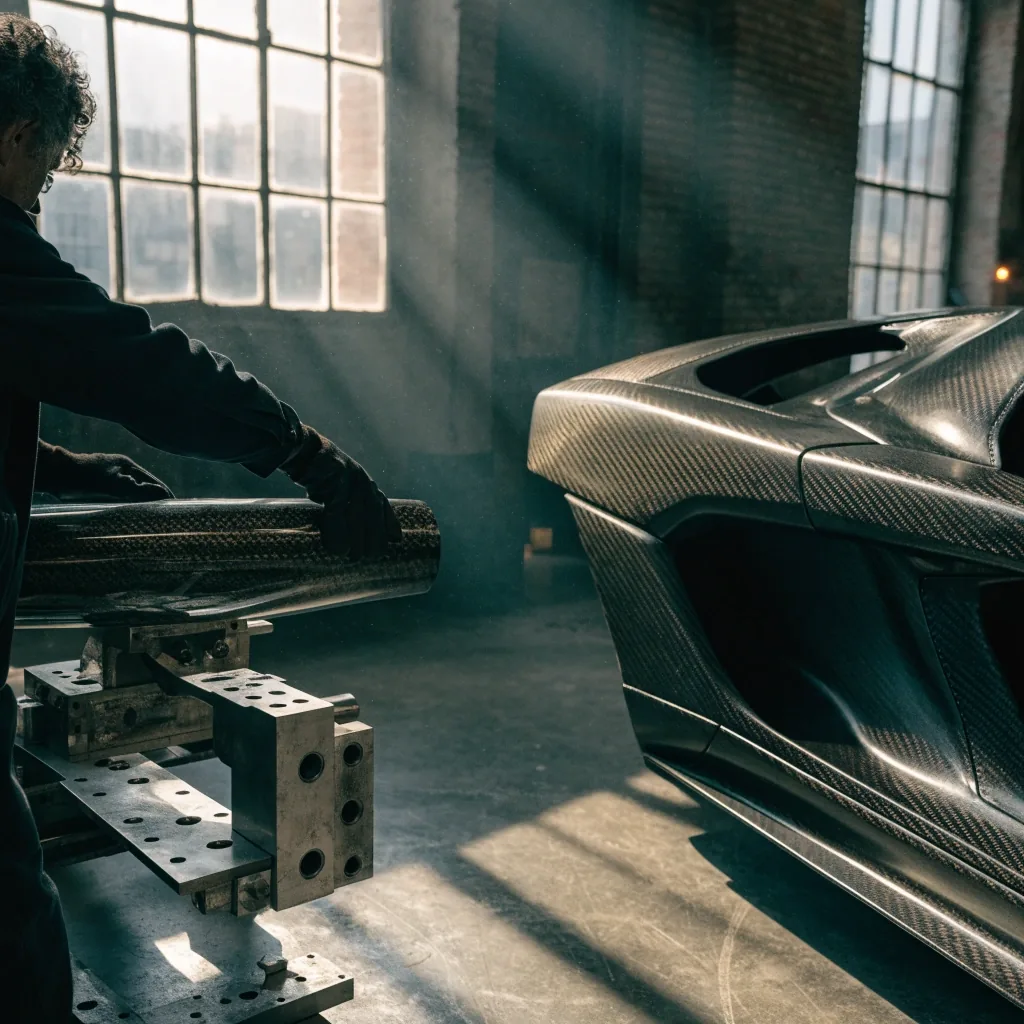
The 2026 Villa d'Este debut for the C12S 7.0L is the most recent milestone this journal is tracking, and our events page carries the details as they are confirmed. If you follow the marque mainly through concours appearances, that page is the practical place to watch.
Questions this page raises
Short answers to the things people ask most often when the Zonda line comes up in conversation.
Is the C12S 7.0L the first Zonda?
It is part of the original Zonda line rather than the very first car built, and its name records the 7.0-litre engine specification. Think of it as an early-era model that carries the original design language forward.
What makes the HP Barchetta different from a convertible?
A barchetta body is designed around open-air driving from the start, so the silhouette, shoulder line and roll structure are worked out as one shape. A convertible starts from a closed coupe and removes the roof.
Why do Zonda specials still show up at events?
Because the line never really closed as a design story. Specials built on the Zonda architecture continue to be finished and shown, and each appearance adds another commission to the record. Villa d'Este 2026 is the current example.
Where can I follow Zonda news as it is confirmed?
The events page carries appearance notes and dates as they are confirmed. For the model context around each one, the archive is the place to start.
Where to go next on the Zonda story
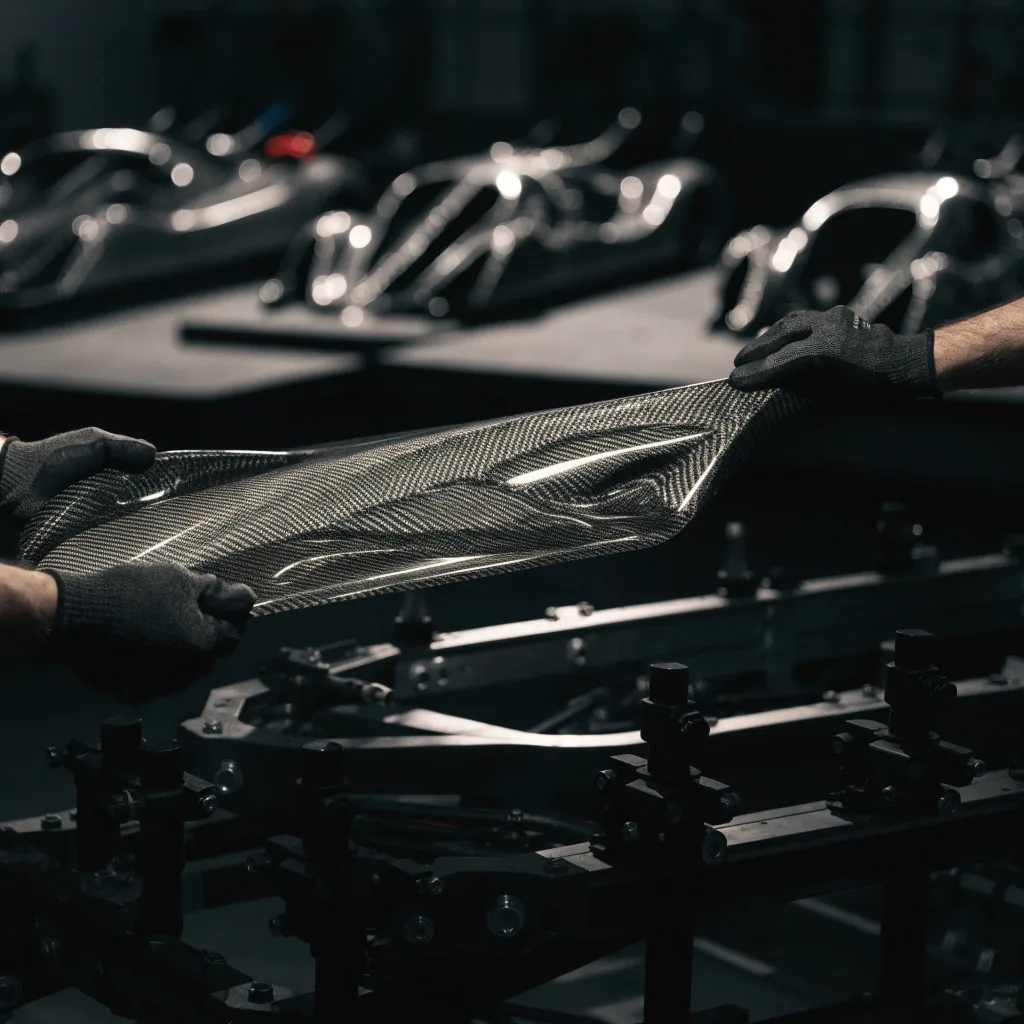
The build process behind the range — materials, tooling, and the way each brief moves through the workshop.
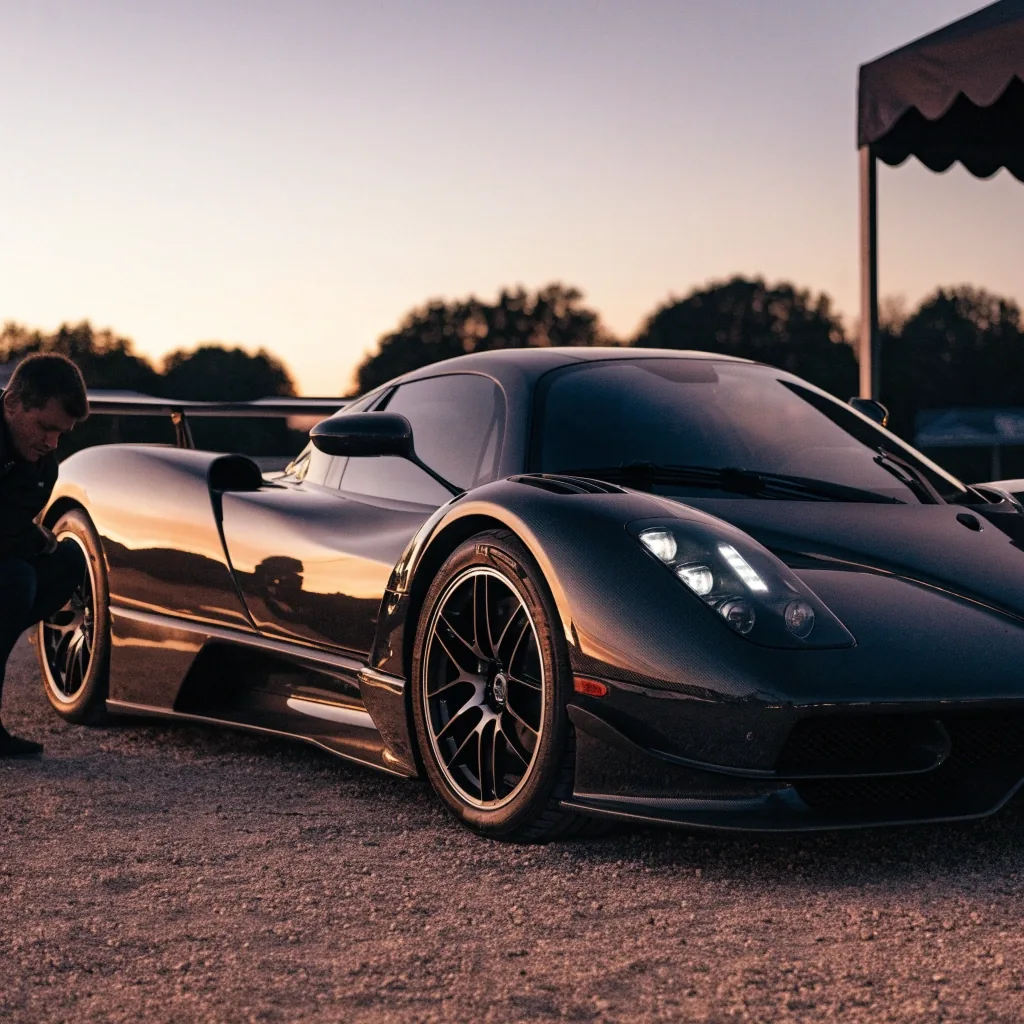
Where the line keeps showing up, and how we note each confirmed appearance as it is announced.