
San Cesario sul Panaro · Italy
Inside the San Cesario sul Panaro Atelier
Pagani calls its home base in Italy the San Cesario Atelier, not the factory. That word choice is deliberate, and it tells you something about how the company wants its cars to be understood.
Coachbuilt series explained below
The word matters
Atelier versus factory
Framing, not marketing
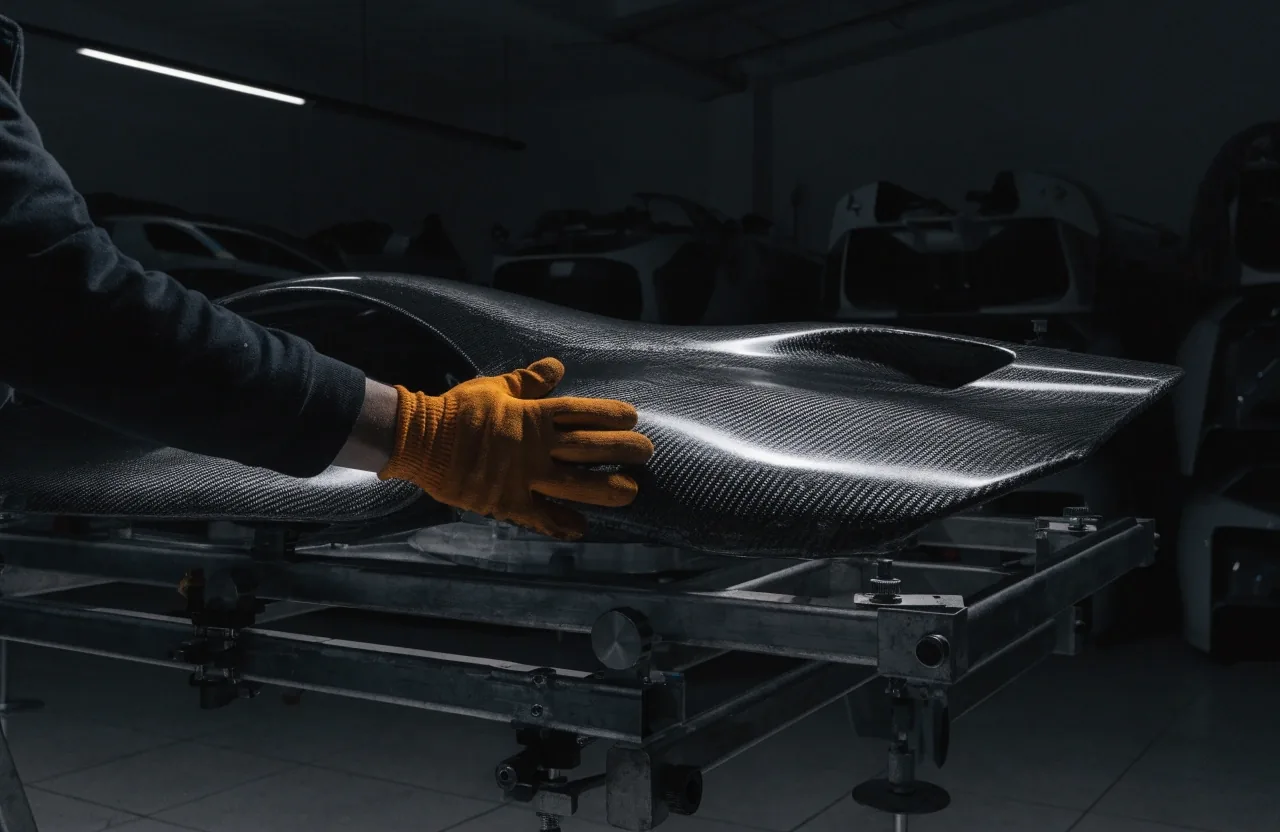
A factory implies volume, standardized output, and a production line. An atelier implies a workshop where individual pieces are made and assembled with attention to specific commissions. Pagani's press material consistently uses the atelier framing, and the company's identity as a coachbuilder-like manufacturer depends on it.
That distinction isn't just marketing language. It reflects how the cars are actually built. In a factory, a part arrives because the schedule calls for it. In an atelier, a part arrives because a particular car needs it — a specific panel thickness, a specific weave direction, a specific finish matched to a client's brief. The workflow bends around the commission instead of the commission bending around the workflow.
Home base
Pagani's home base in Italy
Every model we cover — from the Zonda line through the Utopia Roadster — traces back to work done in this one building.
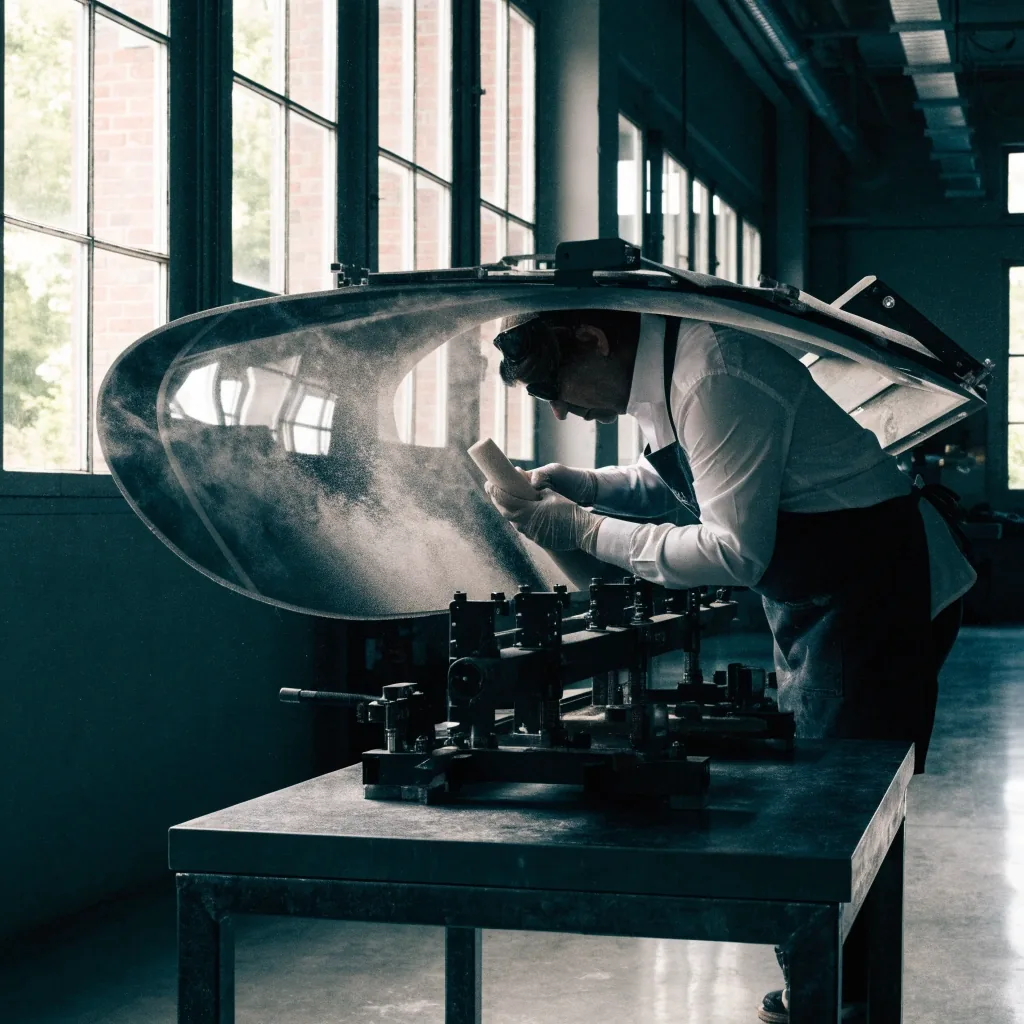
The San Cesario Atelier is Pagani's home base, and it's central to the company's identity. When Pagani refers to the atelier in press material, it's referring to this specific place — not a category of facility, not a marketing abstraction. Knowing that the address on the door and the place named in the story are the same location is what makes the framing hold up under scrutiny.
That matters for readers following individual cars. A Codalunga, an Imola Roadster, a Utopia — each one traces back through the same workshop, the same benches, and a build history that belongs to that building. The archive only makes sense if you know the place the cars came from.
Why craftsmanship framing matters
Coachbuilt specials and the atelier model
Special series exist because the atelier model allows design directions that fall outside a standard catalog. Below, the shapes those directions took.
Zonda HP Barchetta
Barchetta-style open body
Huayra Codalunga
Longtail treatment
Imola Roadster
Eight units, open top
Utopia
99 units
The Codalunga's longtail treatment and the HP Barchetta's barchetta-style open body are both examples of what that flexibility produces. Neither shape would survive a volume production program — both depend on a workshop that can commit tooling, materials, and hours to a single car and repeat the exercise a handful of times.
From commission to car
The atelier model implies a relationship between the client and the build. Pagani's special-series strategy, which produces cars like the Imola Roadster in only eight units or the Utopia in 99, depends on that relationship being part of the process rather than an afterthought.
In practice that looks less like a showroom and more like a series of decisions taken in conversation — which trim, which finish, which weight trade-off the buyer is willing to make. Once those calls are made, the atelier builds a car that matches only that brief.
Small volume by design, not by shortage
Materials and construction
Pagani's lightweight carbon construction narrative runs through the entire lineup, from the Huayra BC to the current Utopia.
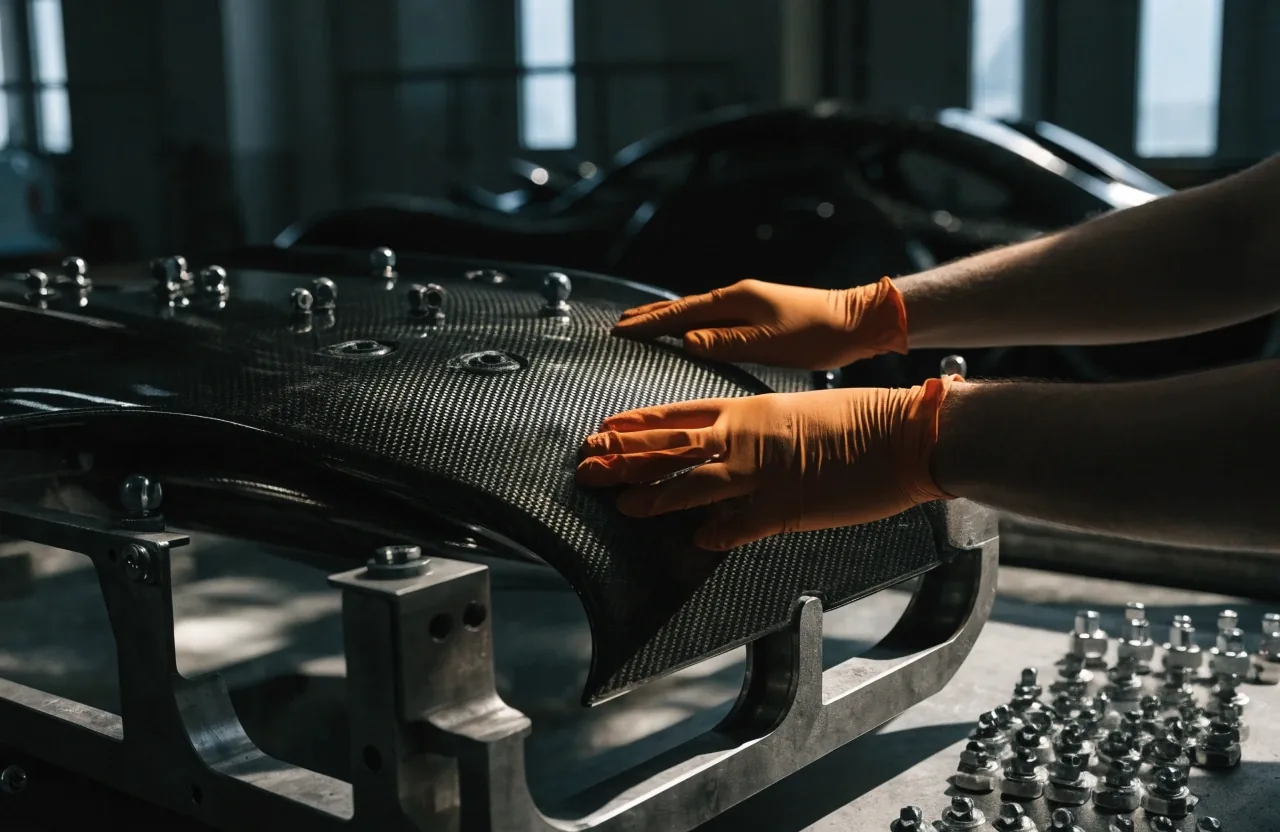
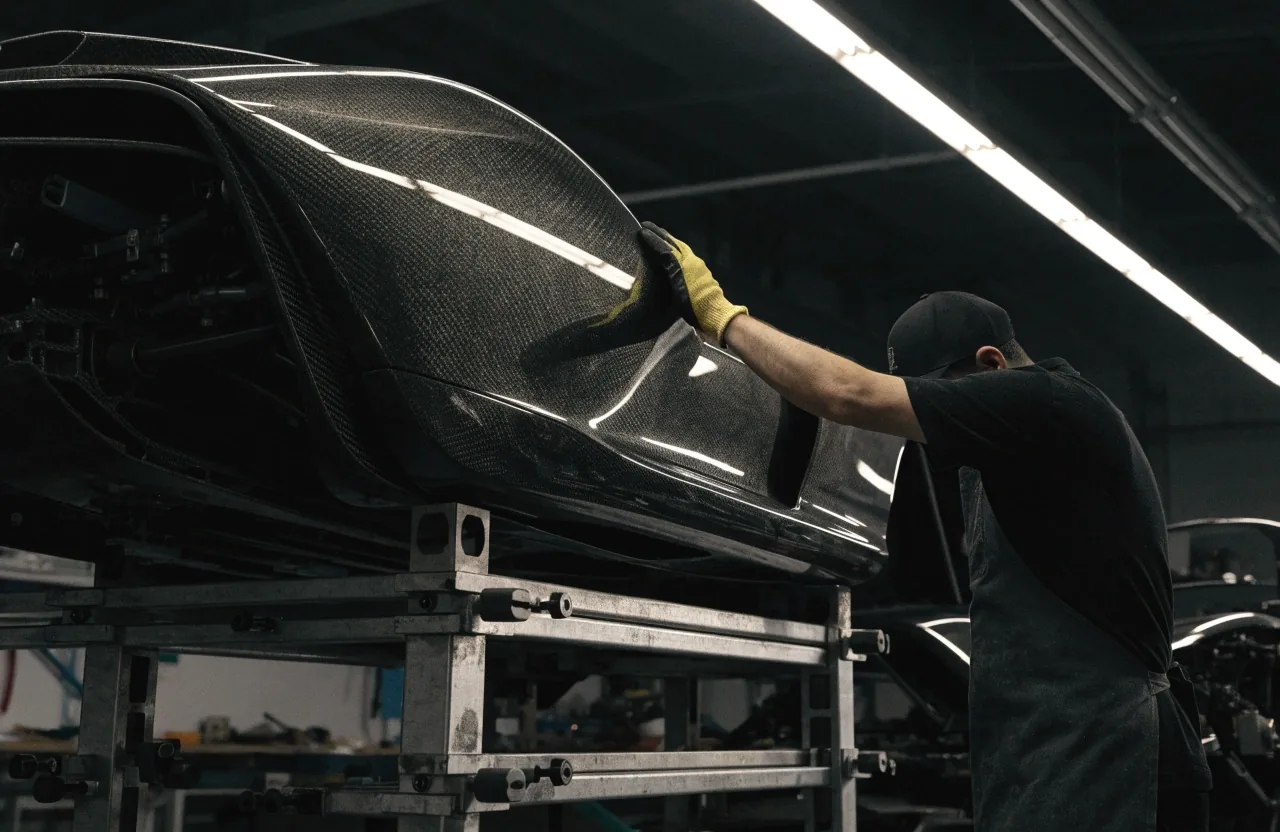
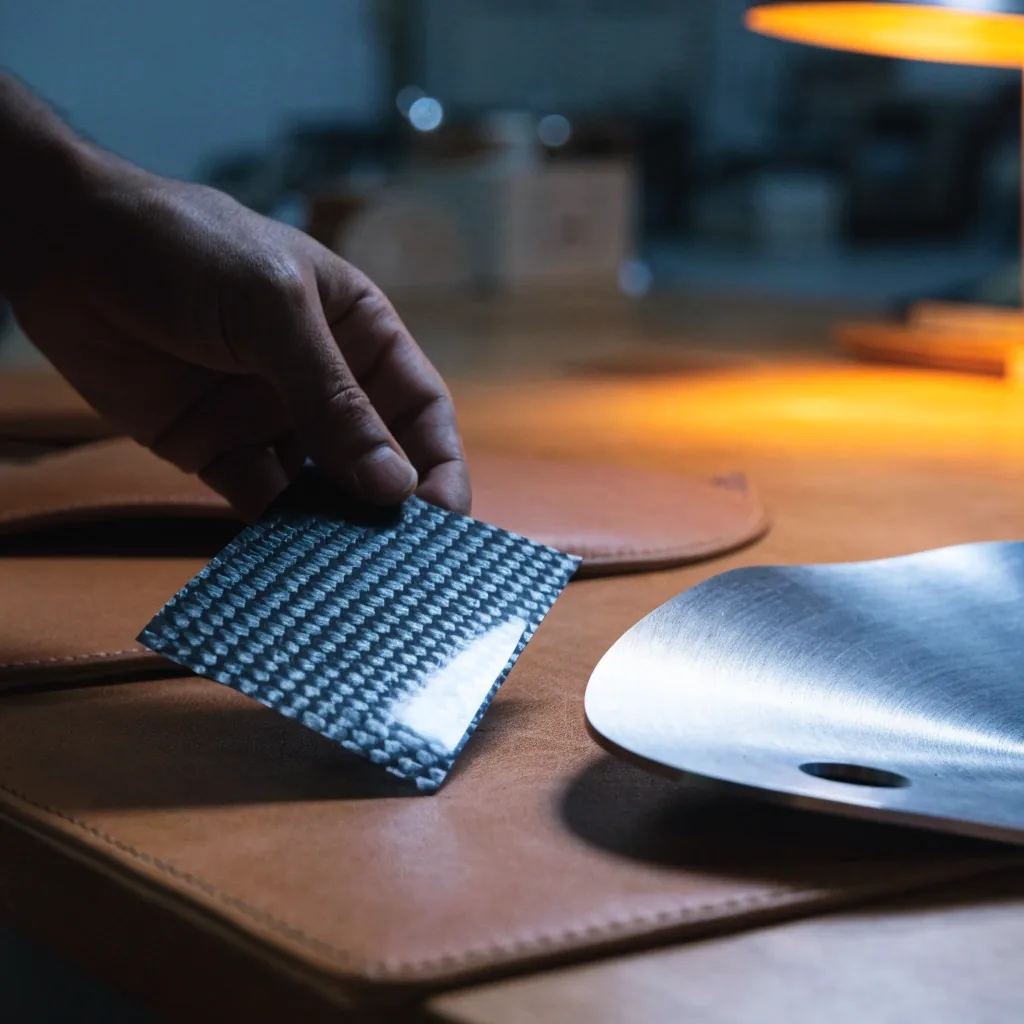
The carbon-titanium monocoque is the structural foundation, and it's part of what makes the atelier's approach distinct from a conventional production method. A weave direction chosen panel by panel, a fastener machined for one chassis, a finish decided with the owner present — none of that scales, and that's the point. The build sequence is set by the car, and the car is set by the commission.
Events and the atelier story
Pagani's cars appear at Goodwood, Monterey Car Week, and Villa d'Este, and those appearances are part of how the atelier's work reaches an audience. The Utopia Roadster's debut at The Quail during Monterey Car Week 2024 is a good example of an atelier project meeting the public — a car shown in the place and at the moment its audience gathers, rather than in a press folder nobody opens.
What readers should take from this
The atelier framing isn't decoration. It explains why Pagani builds cars in the numbers it does, why special series exist, and why the company's design decisions sometimes run against industry trends.
It also gives you a way to read the archive. When the Zonda C12S 7.0L appears at Villa d'Este in 2026, that's a case where the atelier's history gets revisited in public — an older build brought back to the same circuit where newer ones are judged.