
Brooklyn, New York · Editorial desk
Who Writes This Pagani Journal
Conney Huether — Pagani Atelier Journal is an editorial blog about Pagani hypercars, coachbuilt specials, and the craftsmanship behind them.
305 E 26th St, Brooklyn, NY 11226 · Monday–Friday, 9:00 AM – 6:00 PM
What we cover
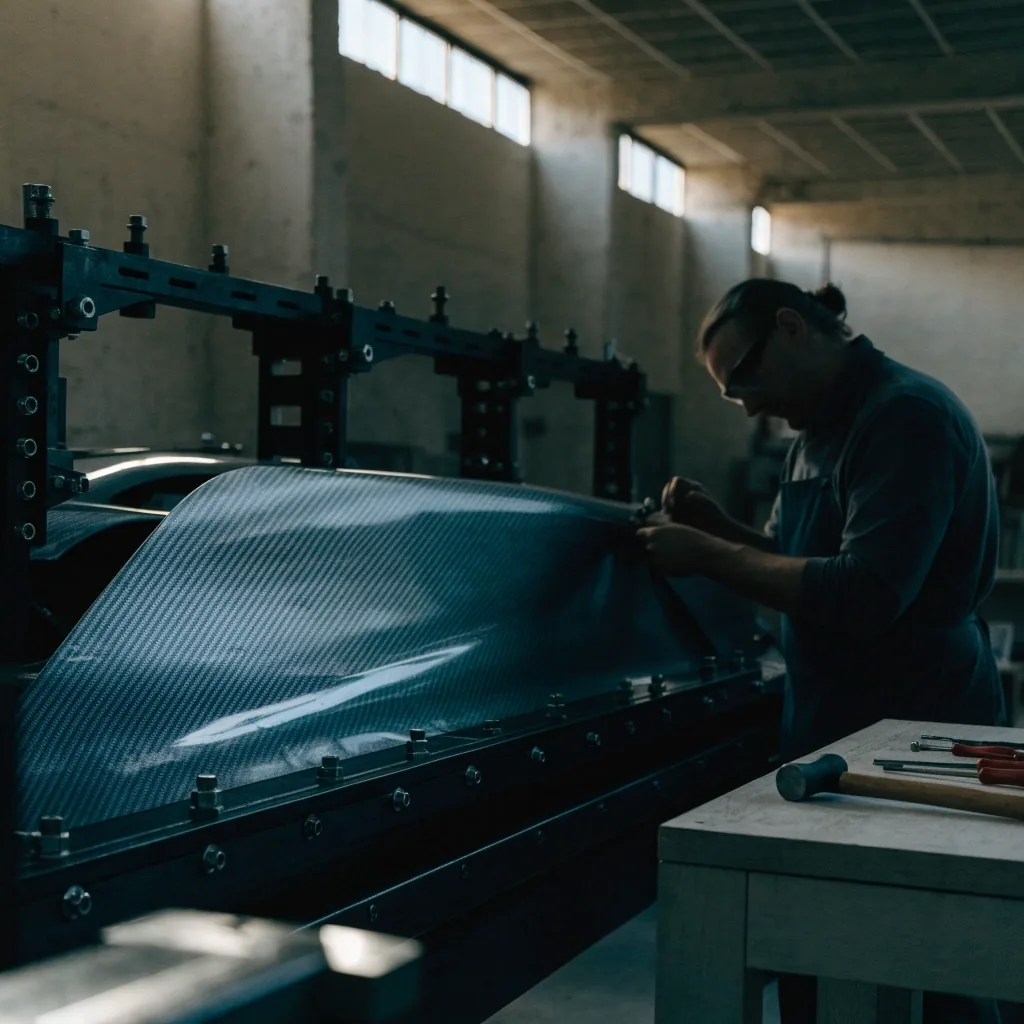
Our scope runs across the full Pagani lineup. That means the Zonda line, including the HP Barchetta and the C12S 7.0L; the Huayra family, including the BC and the Codalunga; the Utopia and the Utopia Roadster; and the Imola Roadster. We also follow the San Cesario sul Panaro atelier and the brand's appearances at Goodwood, Monterey Car Week, and Villa d'Este, because those events are often where a car is seen in public for the first time and where details get confirmed rather than guessed.
Everything we publish here sits in one of those lanes. If a Pagani story does not fit a model line, an atelier process, or an event appearance, we usually leave it alone rather than stretch our scope to cover it.
- Zonda line HP Barchetta · C12S 7.0L
- Huayra family BC · Codalunga
- Utopia Coupé · Roadster
- Imola Roadster Open-top, track-focused
- San Cesario sul Panaro The atelier itself
- Public appearances Goodwood · Monterey · Villa d'Este
How we research
We work from Pagani's published information: press material, announced production numbers, engine specifications, and confirmed event appearances. When the company says the Imola Roadster is produced in only eight units, we report that as stated and attribute it. When it says the Utopia is limited to 99 units, we do the same. The number belongs to Pagani, and the sentence makes clear where it came from.
We don't fabricate specifications, and we don't fill gaps with speculation. Where a detail is unconfirmed, the article says so. Where two sources disagree, we name both and explain which one the brand has stated publicly. That habit slows a post down, but it means a reader can check our work against the same material we used.
Sourcing checklist we apply to every article
- Production numbers tied to an announcement Attributed in text
- Engine and drivetrain figures from published specs No estimates
- Event appearances confirmed by the organiser or the brand Confirmed only
- Unconfirmed details flagged in the paragraph itself Reader can verify
What you're looking at
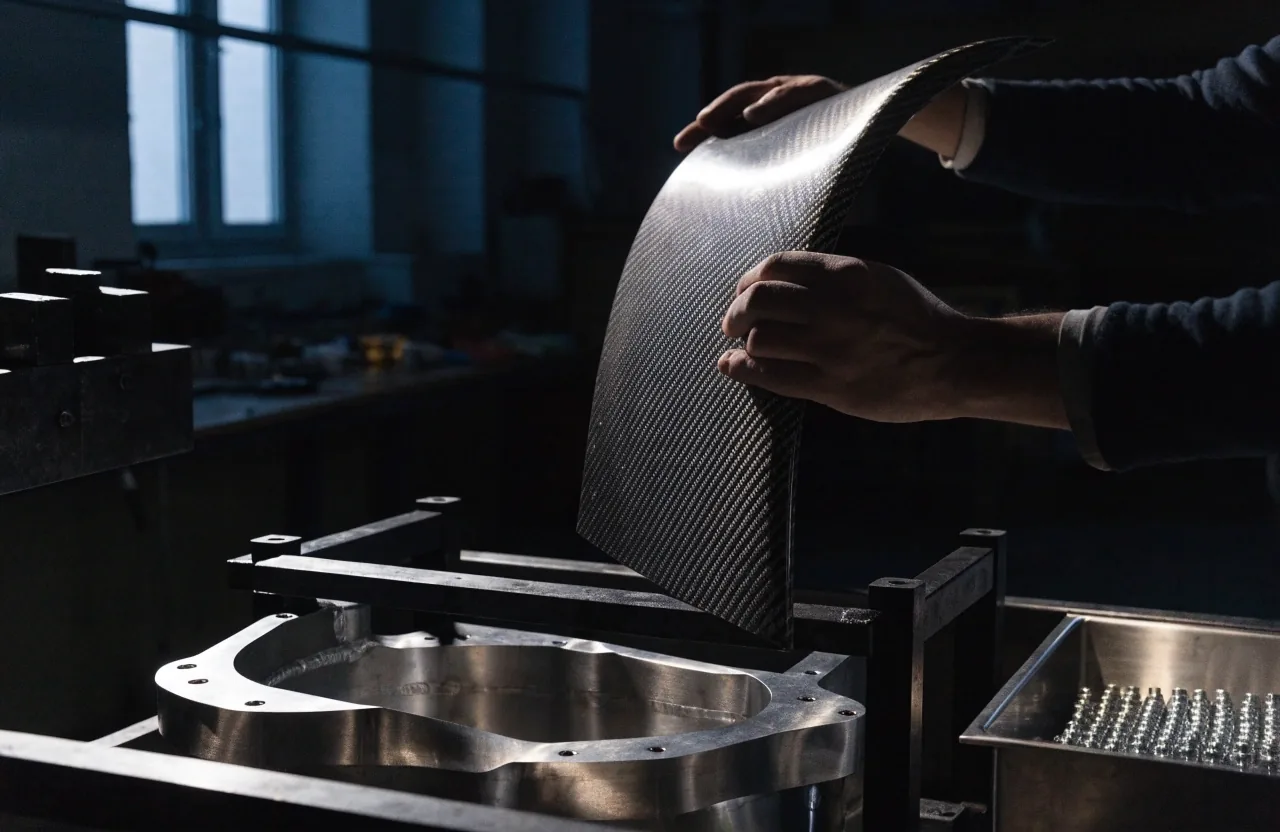
A bare carbon-titanium tub photographed for a piece on how little of a Pagani is visible once the bodywork goes on. We publish a photograph like this next to the paragraph it belongs to, never as decoration.
Read the atelier featureWhat we don't do
We don't publish rankings that declare one Pagani model better than another. A Zonda and a Utopia were built a decade and a half apart for different owners, and stacking them on a scoreboard would say more about the writer's taste than about the cars.
We don't predict auction values or resale performance. We don't run sponsored placements, and we don't tell readers that a car carries a guarantee, or that any ownership outcome is assured. Those aren't things we can honestly promise, and pretending otherwise would make the rest of the coverage untrustworthy.
Rankings
No ordered lists of models, no winners and losers.
Market forecasts
No value predictions, no resale claims, no investment framing.
Paid placement
No sponsored articles and no advertiser approval over copy.
Editorial independence
Nobody signs off on our copy
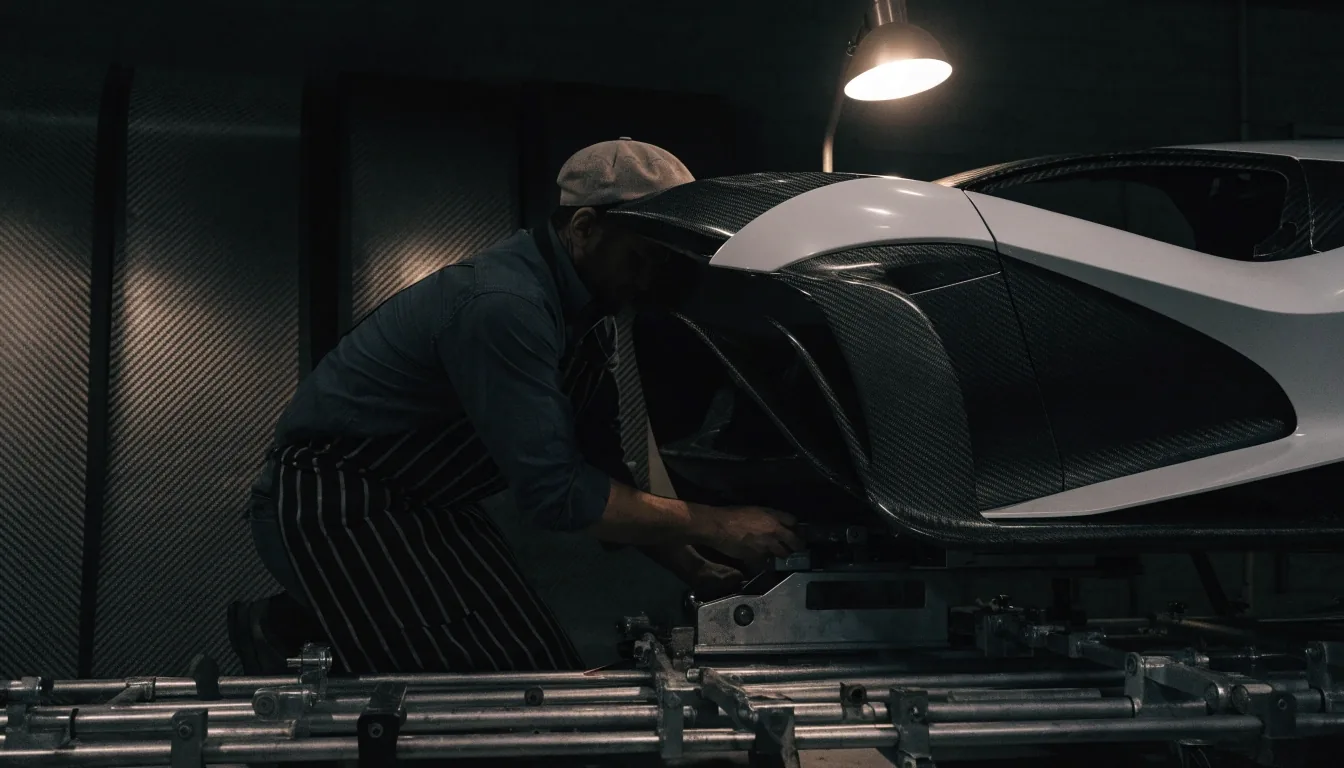
No manufacturer reviews our articles before publication, and no advertiser has approval over what we write. If a paragraph is critical of a decision at the atelier, it stays in. That is a simple standard, but it's worth stating plainly, because a reader deciding whether to trust a claim deserves to know who had the chance to change it.
It also shapes how we write. Since no one clears our sentences, we hold them to the sourcing rules above: reported numbers attributed, unconfirmed details labelled, and opinion marked as opinion.
Who reads this site
Our readers are enthusiasts, collectors, and people who follow Pagani because they care about engineering and design detail. Some have watched the brand since the Zonda. Others found it through the Utopia. Both are welcome here, and neither needs a membership to read anything on the site.
What they tend to want is the same thing: a detail they can carry into a conversation, whether that's a gear count, a build number, or the reason a particular panel is laid in one direction.
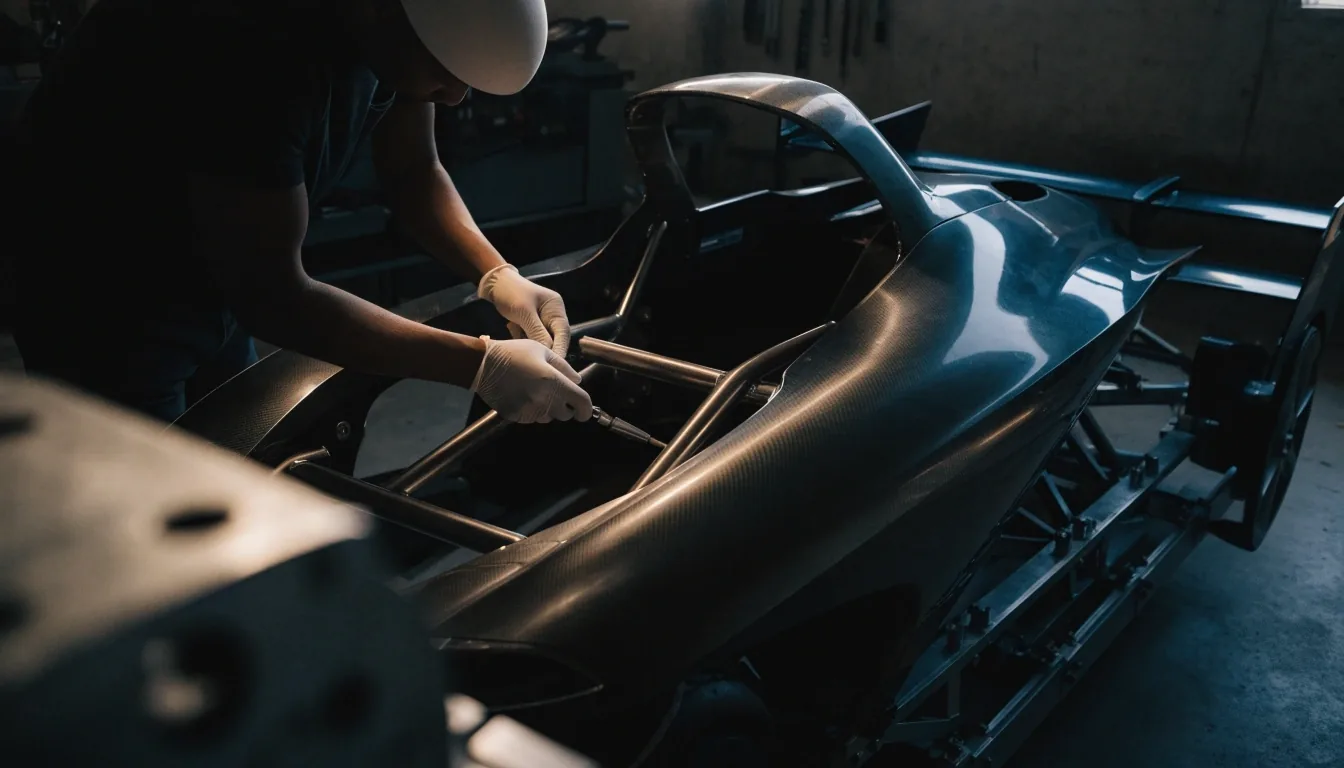
An open barchetta body photographed for a piece on roll structure and sightlines. Frame set so the body falls to shadow while the frame stays readable — the same choice we make in the writing, where the specific part carries the explanation.
Why we focus on specifics
Pagani builds cars in small numbers, which makes general claims about the brand less useful than specific facts. We'd rather tell you that the Utopia Roadster is set for 130 examples worldwide than describe it in broad adjectives. A number can be checked and remembered; a superlative cannot.
That preference runs through the model pages too. When we describe a coachbuilt special, we name the material, the panel, or the process that made it different, and we skip the parts that would apply to any hypercar on the road.
Corrections
How to reach us
If something on the site is wrong, we want to fix it. Email us or call during weekday hours with the page you were reading and the specific error. Name the sentence or the figure, and point at what should be there instead. We'll review it and update the page if a correction is warranted, and we won't quietly delete the old version without noting the change.
We're based at 305 E 26th St, Brooklyn, NY 11226. Correspondence about the journal is handled from that desk, though we don't keep public visiting hours.
Start with the archive, or write to the desk
The model pages carry the specifications, build numbers, and atelier details in full. If you have a question the journal hasn't answered, or a correction to send, the editorial team reads every message that arrives at the Brooklyn desk.
Standards apply to every page on this site, including this one