Huayra BC · Codalunga · special series
How the Pagani Huayra family evolved
The Huayra is the middle of Pagani's three-generation story, between the Zonda and the Utopia. What follows is how far the platform was pushed after the first car.
The base Huayra and what it established
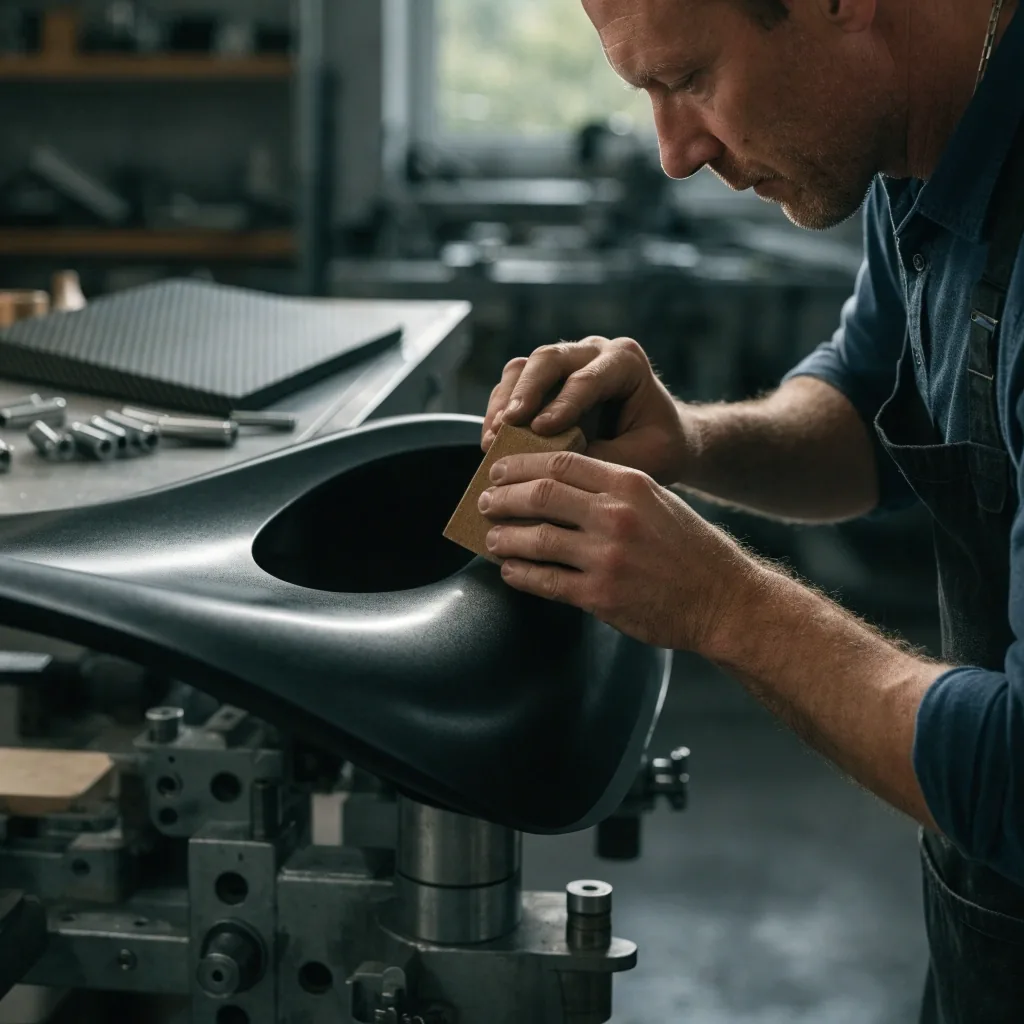
The first Huayra set the template every later variant would push against: a twin-turbo V12, a chassis built around lightweight carbon construction, and a body shaped for aerodynamics and visual drama at the same time. That carbon narrative is not a footnote to the family — it runs through the whole line, and it is the reason a Huayra weighs what it weighs.
Read the car as a set of decisions and the rest of the family becomes easier to follow. The base car fixed the proportions, the engine architecture and the material story. Everything after it — the BC, the Codalunga, the open-top cars — is a response to one part of that brief rather than a clean-sheet replacement. When enthusiasts compare later Pagani variants, they are usually measuring distance from this first car, not distance from each other.
That is also why the base Huayra stays relevant to anyone following the marque. It defines the vocabulary — the flaps, the stance, the exposed mechanical detail — that the specials later stretch, sharpen or extend.
Reading the family in order
Each row is a step in the same evolution. Start at the base car, then the BC, then the Codalunga — the marker on the last row is where the family stops being a single model and becomes a set of briefs.
Huayra
The foundation: twin-turbo V12, carbon-intensive chassis, a body that treats aerodynamics as a styling language. Every later variant starts from here.
Base platform
Huayra BC
The performance turn: the point where the family's more aggressive side became explicit, still inside the Huayra platform.
Performance variant
Huayra Codalunga
The longtail special series: an elongated tail treatment that changes the car's proportions at a glance, even for someone who does not follow Pagani closely.
Longtail special
Reading the variants in this order is the fastest way to understand the family. Each one adds a new design idea without abandoning the platform's core character.
Huayra BC: the high-performance turn
The Huayra BC is a Huayra-based high-performance variant, and it is the point where the family's more aggressive side became explicit rather than implied. The BC defines how far Pagani was willing to go within the Huayra platform before moving into separate special projects.
It also matters for a practical reason: the BC has been part of Pagani's static and dynamic event presence. It appears at the same appearances where newer cars get displayed, which makes it the variant most enthusiasts are likely to see in person rather than only in coverage.
If you are trying to place a specific Huayra you saw at an event, the BC is usually the answer. Its silhouette is the one that reads as a track-focused Huayra from across a paddock, and that is deliberate.
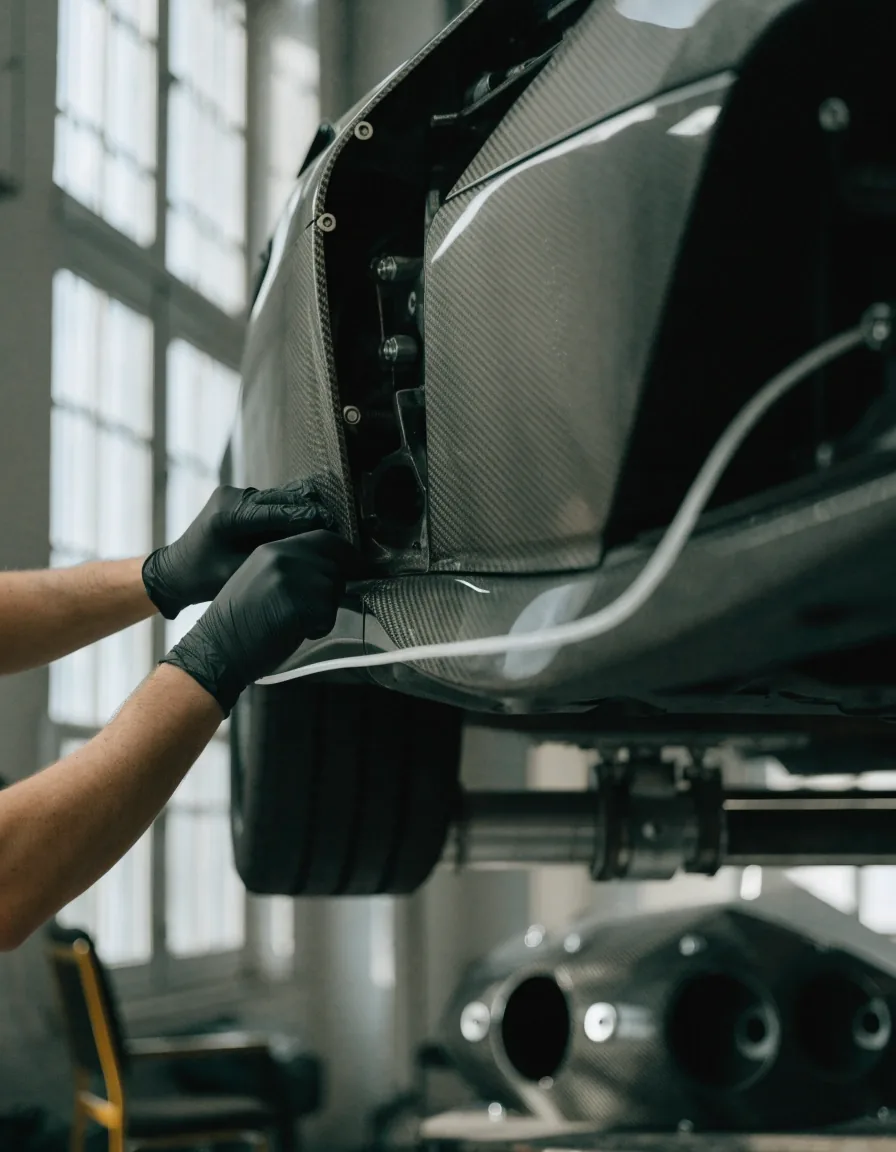
The BC moved the Huayra brief toward track work while keeping the platform's proportions intact.
Huayra Codalunga: the longtail
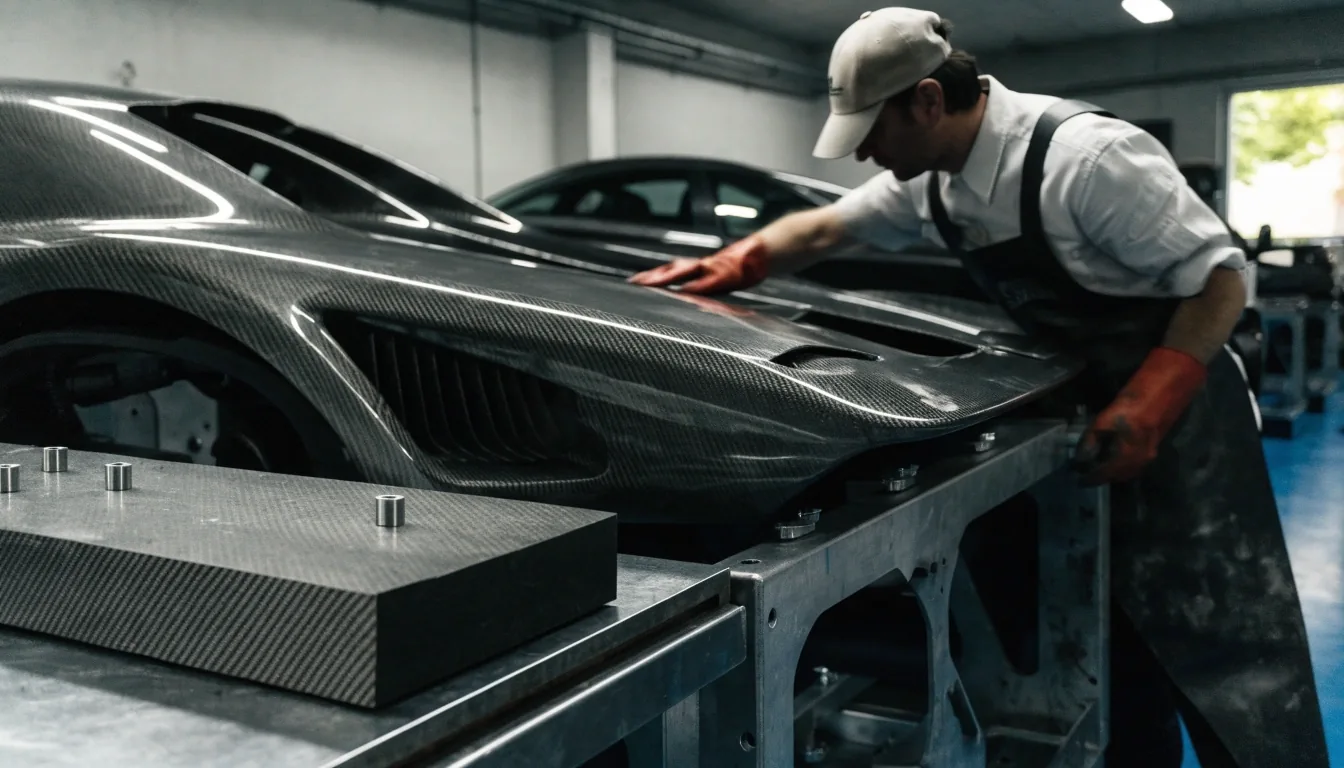
The Codalunga is a longtail special series inside the Huayra family, and its most obvious trait is the elongated tail treatment. That single change reshapes the car's proportions — visible immediately, without needing the badge explained.
Pagani displayed the Codalunga in conjunction with the Utopia at event coverage in 2025, which put two generations side by side. Seeing them together is the clearest explanation of what the longtail adds: not a different car so much as a different reading of the same platform, stretched along its axis and calmed along its surface.
That pairing is also why the Codalunga gets compared to the Utopia more than to the BC. One is a longtail within a generation; the other opens the next generation. Both are coachbuilt answers to the same question about proportion.
The Codalunga appeared alongside the Utopia in 2025 coverage. Our events page tracks appearances as they are announced.
Track event appearancesWhy specials exist in the first place
Coachbuilt strategy / 01
Not a trim
The Codalunga and the BC are separate projects, not trim packages. They reflect Pagani's coachbuilt, highly customized special-series strategy.
A direction first
A special comes together because there is a specific design direction worth pursuing — whether it originates with Pagani or with a small group of clients who arrive with a brief of their own.
Read the pattern
The same approach sits behind the Zonda HP Barchetta and the Imola Roadster. A special is defined by what it changes, not by what it adds to a spec sheet.
It is worth knowing this when reading coverage of a new Pagani special. A variant that looks like a styling exercise usually started as a design direction with one clear idea attached, and the production run follows the idea rather than the other way round.
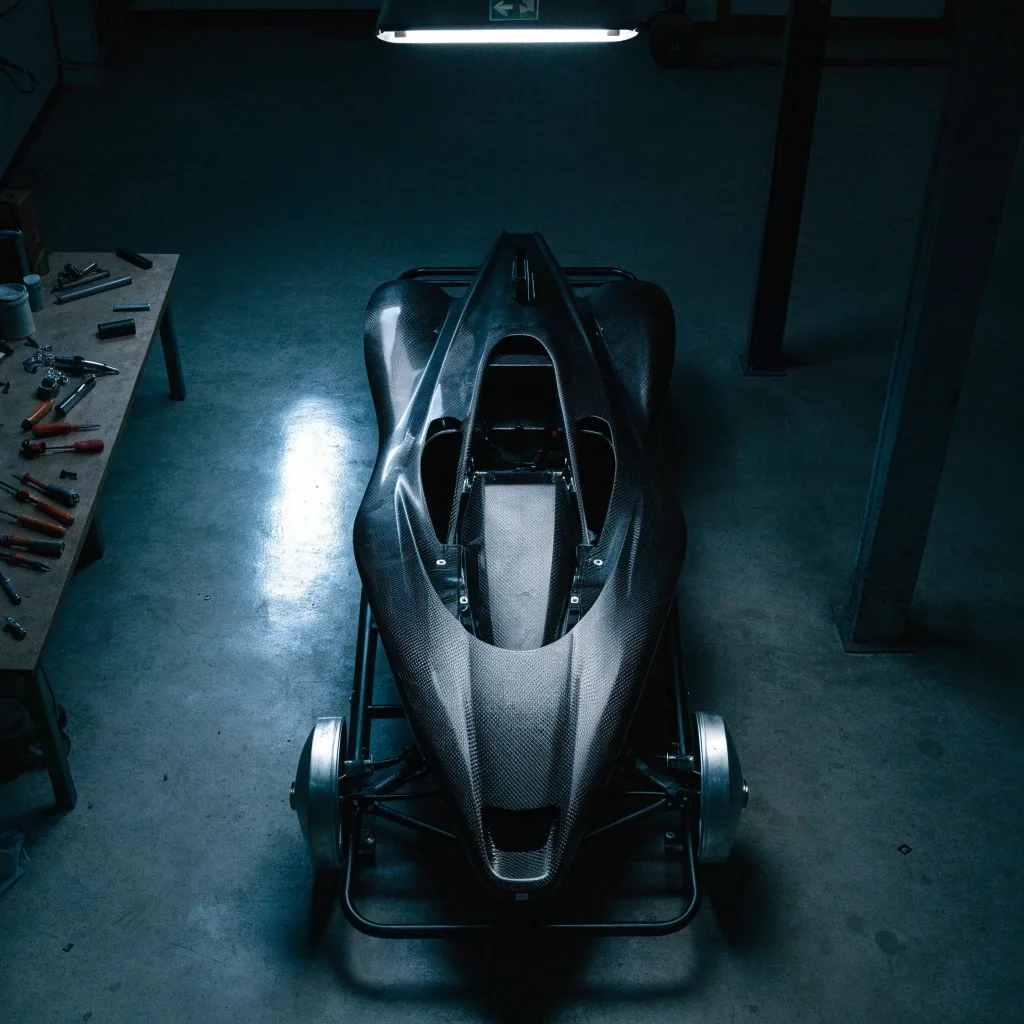
Coachbuilt process
A special series starts as a direction, then a monocoque, then a body. The order matters: the design idea leads, the build follows.
From BC to open-top derivatives
The more aggressive side of the Huayra family eventually fed into open-top cars. Pagani's current lineup includes the Imola Roadster, an open-top track hypercar produced in only eight units and homologated for street driving worldwide. The through-line from the BC's performance focus to an open car is about how Pagani frames track capability — as a discipline the car is built around, not a mode it switches into.
Eight units is the part that surprises people most. The number keeps the car in the territory of a special rather than a series, which is consistent with the rest of the family's logic.
Imola Roadster
Open-top track hypercar, homologated for street driving worldwide.
8
Units built
1
Open-top line
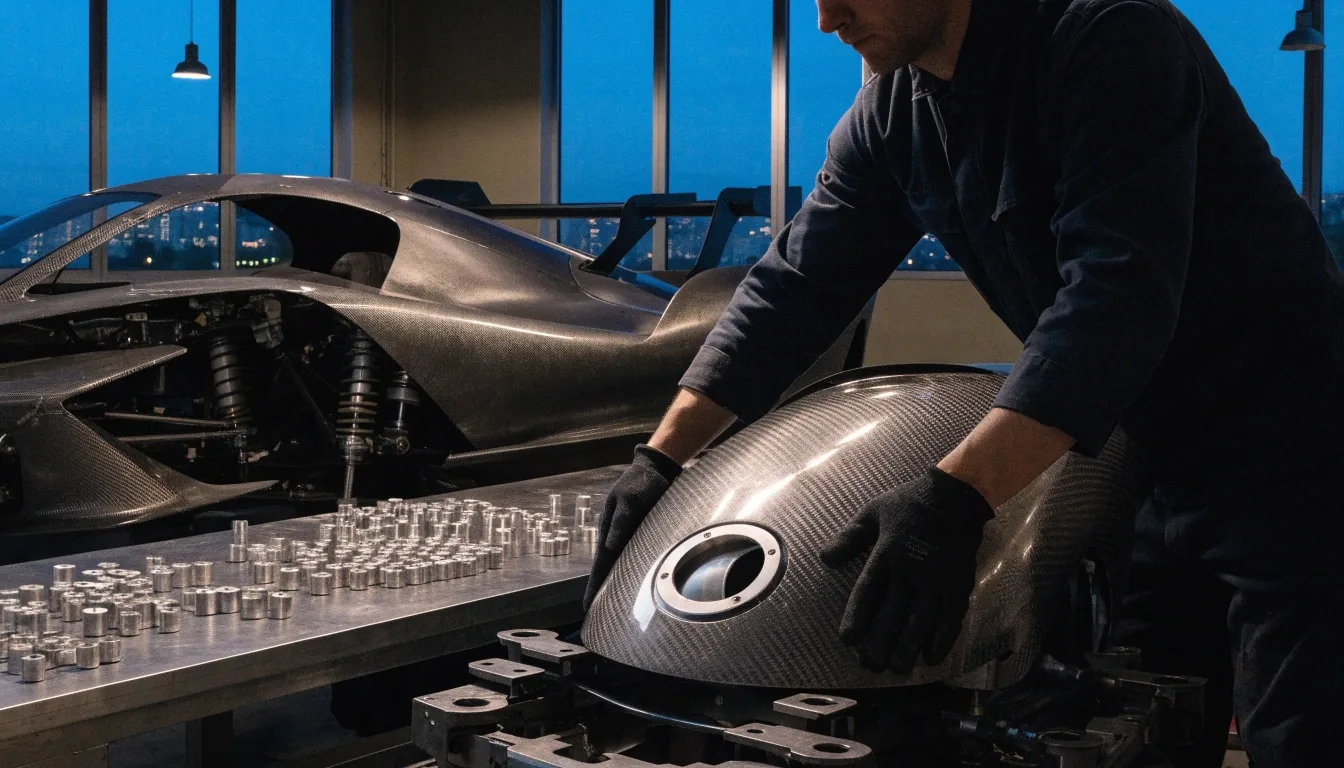
The open-top line takes the BC's performance framing and removes the roof.
How the Huayra relates to the Utopia
The Utopia is a separate generation, not a Huayra variant. It is limited to 99 units, uses a 5.98-liter twin-turbo V12 developed by Mercedes-AMG for Pagani, and offers a seven-speed manual gearbox. The Huayra family represents the generation before it, which is why the two get compared so often — and why the comparison is a little unfair to both.
Where the Huayra line is a story about stretching one platform through specials, the Utopia is a story about opening a new generation with a different engine and, notably, a manual option. Placing them side by side at an event is useful precisely because it makes the generational shift visible: different proportions, different surface language, same atelier behind both.
Huayra family
One platform, several briefs. The base car, the BC and the Codalunga are read together as a set of design directions rather than a lineup of trims.
Utopia generation
A new generation with its own engine and gearbox, limited to 99 units. Not a Huayra variant, even when the two are shown together.
Where to look next
The archive groups every generation in one place. The Utopia page goes deeper on the current car, including the manual gearbox.
Read the Utopia deep diveWhere to see Huayra variants
Huayra variants have appeared in Pagani's event communications at Goodwood and Monterey, and the Codalunga appeared alongside the Utopia in 2025 coverage. Our events page tracks these appearances as they are announced, including which cars are expected to be static and which will run.
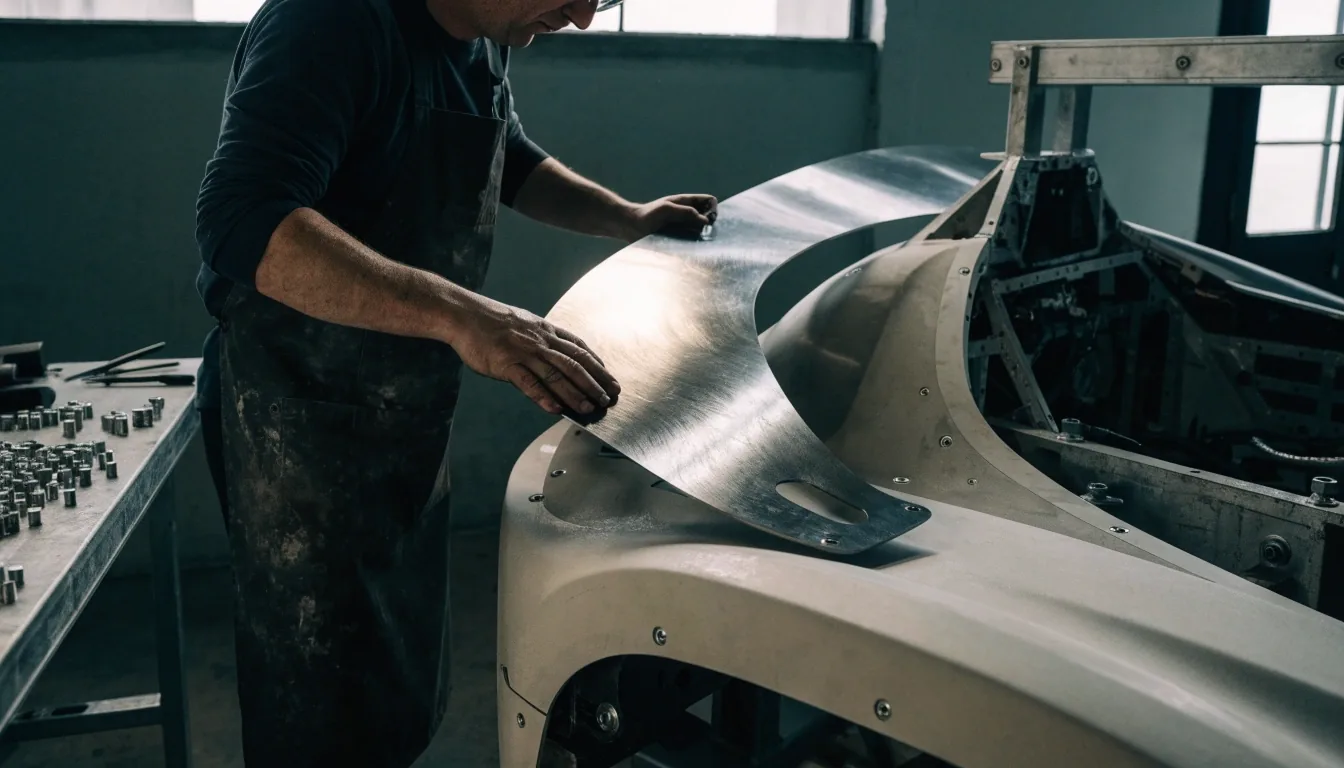
Event coverage
Goodwood and Monterey have both hosted Huayra variants. The Codalunga and the Utopia were shown together in 2025, which is the pairing most readers ask about.
Common questions about the Huayra family
Is the Codalunga a Huayra variant or a separate model?
It is a special series inside the Huayra family. The elongated tail treatment changes the car's proportions, but the platform underneath is the Huayra's, and it is read in the same sequence as the base car and the BC.
What separates the Huayra BC from the base car?
The BC is the family's high-performance turn. It is the variant that made the more aggressive side of the Huayra explicit, and it stayed within the Huayra platform instead of becoming a separate project.
Is the Utopia a Huayra with a new name?
No. The Utopia is a separate generation, limited to 99 units, with a 5.98-liter twin-turbo V12 developed by Mercedes-AMG for Pagani and a seven-speed manual gearbox. The Huayra family is the generation before it.
Where do open-top Huayras fit in?
They continue the BC's performance framing without a roof. The Imola Roadster is the clearest current example — an open-top track hypercar produced in only eight units and homologated for street driving worldwide.
How do I follow new special series as they appear?
The events page collects announced appearances, including which cars are expected at each one. The model archive is the other useful reference when a new special is compared to an older one.
Where to go from here
If you want the family in one place, the archive is the fastest route. If you want the current generation, the Utopia page goes deeper. Questions about the journal itself — what we cover, how we source it — belong on the contact page.
Conney Huether — Pagani Atelier Journal · 305 E 26th St, Brooklyn, NY 11226, USA · Monday–Friday, 9:00 AM – 6:00 PM